

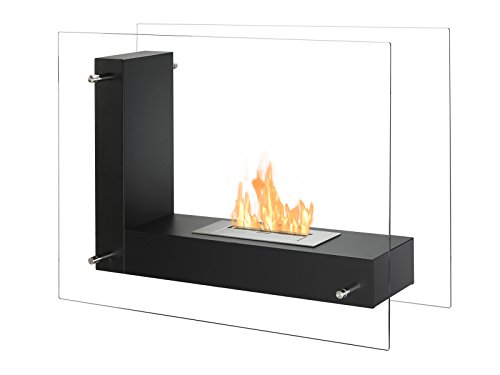
Bio Ethanol Fire Free Standing
A bio-ethanol fire freestanding is a modern fireplace that burns liquid ethanol fuel. It does not emit fumes or smoke, and is very easy to use.
Place the bioethanol in the burner, and then light it. To put out the flame, simply place the rod over the flame to deprive it of oxygen.
Burn time
If you're a sustainable fire seeker, you may be prevented from bringing a fireplace into your home by the cost of wood-burning and gas. But thanks to modern technology, there's a new option: a freestanding bioethanol fireplace. This type of fireplace runs on liquid ethanol fuel that produces no smoke or fumes. It's also safe to use in indoor spaces, and it requires no chimney or flue. As with any flammable fuel it is crucial to keep an eye on the amount of fuel used and be cautious when moving the unit.
Bioethanol fireplaces are available in different styles and are easy to install. All you have to do is fill the burner with bioethanol fuel then ignite it and enjoy your new fireplace. Many fireplaces are designed to be portable, so you can move them from room to room easily. You can place them outside if you would like. Just make sure you have enough ventilation in your home to avoid the accumulation of carbon dioxide and other harmful pollutants.
They offer a classic appearance, but without the need to install a chimney. They don't emit fumes or produce smoke and are easy to set up. Saving pop over here on heating expenses is another benefit. Some models include a fake flue for an authentic look.
There are two primary types of bioethanol fireplaces: wall-mounted and inserts. Inserts are a basic burner that is usually sold with glass shields to protect your from the flame. It can be installed in virtually any fireplace to give it a contemporary appearance. Inserts are available in a broad range of shapes and sizes, so you can find one that will fit the space perfectly.
A wall-mounted bioethanol fireplace is another ideal option for those looking to add a modern flair to their home. It's a great alternative for a wood-burning or electric fireplace, and can be placed anywhere in the house. They are also simpler to maintain than traditional fireplaces, and they are able to be easily moved from room to room.
Safety
A free-standing bio ethanol fireplace can be safe to use as long as it's placed on a flat, stable surface and is kept clear of curtains and other flammable objects. These units emit no carbon monoxide and the flames they produce are less intense than those produced by wood or gas stoves. They don't produce soot, smoke or require a lot of cleaning. However, just like any other kind of fireplace or fire, they should always be installed in a room that is well ventilated and should not be left unattended.
To avoid damage and accidents, ethanol fireplaces need to be installed and maintained properly. They must be constructed from robust materials and tested by an independent testing firm to ensure compliance with industry standards. The user's manual should clearly explain any possible dangers and include detailed safety precautions when using the product.
The ethanol fuel that burns in these fires is produced from the fermentation of plant byproducts, such as sugarcane and grain using yeast. Although these fuels are more eco-friendly than fossil fuels, they can be polluting because they release trace amounts of carbon dioxide as well as other gases that can cause irritation to the lungs when inhaled frequently. Additionally, the crops that are grown for ethanol divert land from being used to grow food.
The ethanol fireplace is safer than other fireplaces since it doesn't have huge fuel tanks and connections that can fail or leak. They're not completely safe, however, as the liquid fuel can leak if the fireplace is knocked down or it is left on after you leave.
If this happens, the flame could expand to other areas of the room. Make sure you have an extinguisher close to the burner or by avoiding touching it with your hands. It is recommended to open a window a bit when using a bioethanol fire to let fresh air circulate in the room.
Ventilation
If you have a bio ethanol fireplace the proper ventilation is crucial. Ventilation helps in the elimination of combustion byproducts and replenishment of fresh air which ensures a comfortable indoor environment. A properly vented fire will also stop carbon monoxide poisoning, as well as other health issues. Additionally, it helps reduce humidity and increases the effectiveness of your heating system. So, you must follow the manufacturer's guidelines for proper ventilation and make sure that your home is well-ventilated when you use a bio ethanol fireplace.
Most freestanding bio ethanol fireplaces are designed to look like traditional wood fireplaces. However, unlike wood stoves they don't require wood for burning. These fireplaces are powered by a liquid fuel, known as bioethanol, which is made from the discarded wastes of specific crops like sugar cane or corn. The fuel is cleaned and distillated before being used in the fireplaces.
These bio ethanol fireplaces are very versatile, as they do not require a chimney or venting, and can be moved to any area of the room. This flexibility is especially beneficial for small apartments or homes with limited space. Bioethanol fireplaces can also be put outdoors, provided that they are shielded from wind and rain.
The style of these fireplaces is extremely variable and can range from a simple circular shape to a more rustic and traditional style. These fireplaces can be mounted on the wall or on tables. They come in a variety of colours and materials. Some models can even be recessed into the wall, creating a stylish accent piece for your living space.
They are available in home improvement stores and specialty fireplace stores and online retailers. They are easy to maintain and can be installed in any space. Ethanol fires are clean and emit no harmful gases, making them an environmentally-friendly alternative to wood or gas fireplaces. However, they may emit an unpleasant smell when first lit, which will dissipate rapidly.
Although these fireplaces are safe, they should always be kept at a fair distance from any flammable objects or curtains. In addition, they should never be moved when they are lit, as it can cause burns or other harm to the surroundings. Keep them out of drafty places since they may create smoke.
Installation
Ethanol fireplaces are a great addition to any house and are easily installed. They can be positioned anywhere in the room and don't require gas pipes or chimneys. They use a liquid fuel derived from renewable sources called bioethanol. They are less polluting and safer than fossil fuels such as oil or coal and don't generate soot or ash. Ethanol fires do not emit volatile organic compounds into the air, which can cause respiratory issues and irritation to the lungs.
There are many different styles of bio ethanol fireplaces to choose from, ranging from freestanding models to wall-mounted versions. Installation will vary based on the type you choose. The majority of fireplaces come with instructions to help you install the fireplace properly. The most important thing is to follow the instructions provided by the manufacturer. These guidelines will ensure that your bio-fireplace's safety and won't damage any surfaces.
Most recessed ethanol fires have built-in tanks to store the liquid ethanol fuel. The tanks need to be insulated, and then positioned into non-combustible walls. It is also important to keep the ethanol burner at a minimum of 1 millimeter away from any combustible materials, including curtains and furniture. The tank must be kept in a dry, cool area and away from children and pets.
A portable ethanol fireplace permits you to move it from room to room without having to install it. It is perfect for apartments and homes with a single family, as well hotels and restaurants. It is also simple to set up, since there isn't any need for a chimney or electrical connection.
Homeowners looking to add a modern touch to their home can choose free-standing fireplaces made of ethanol. They don't emit gas or smoke which makes them a good alternative to traditional wood fireplaces. They are also simple to clean and use. The only disadvantage to an ethanol fireplace that is freestanding is that you might not be able to locate bioethanol fuel locally. It is possible to order it online or through a specialist retailer.